How a batt insulates
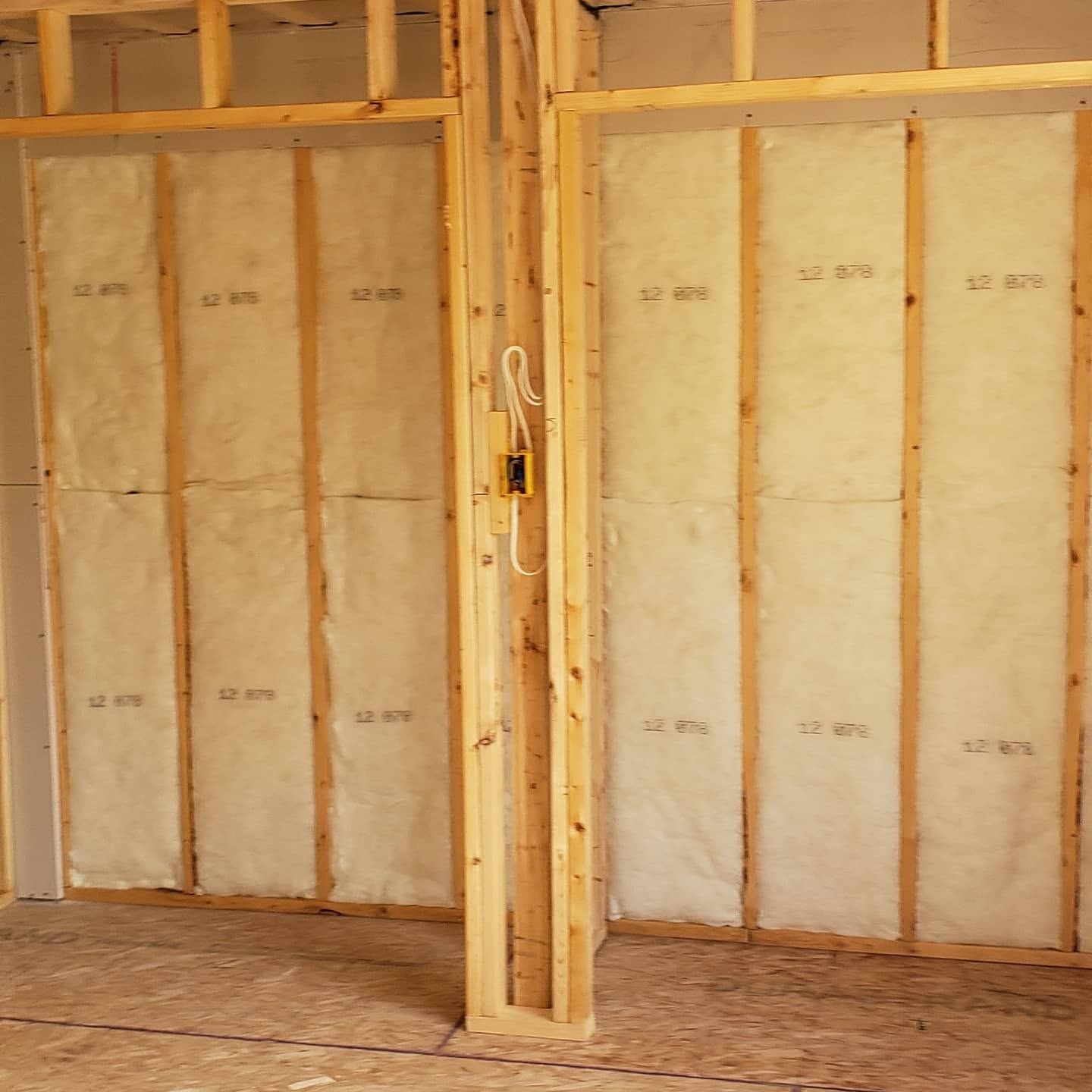
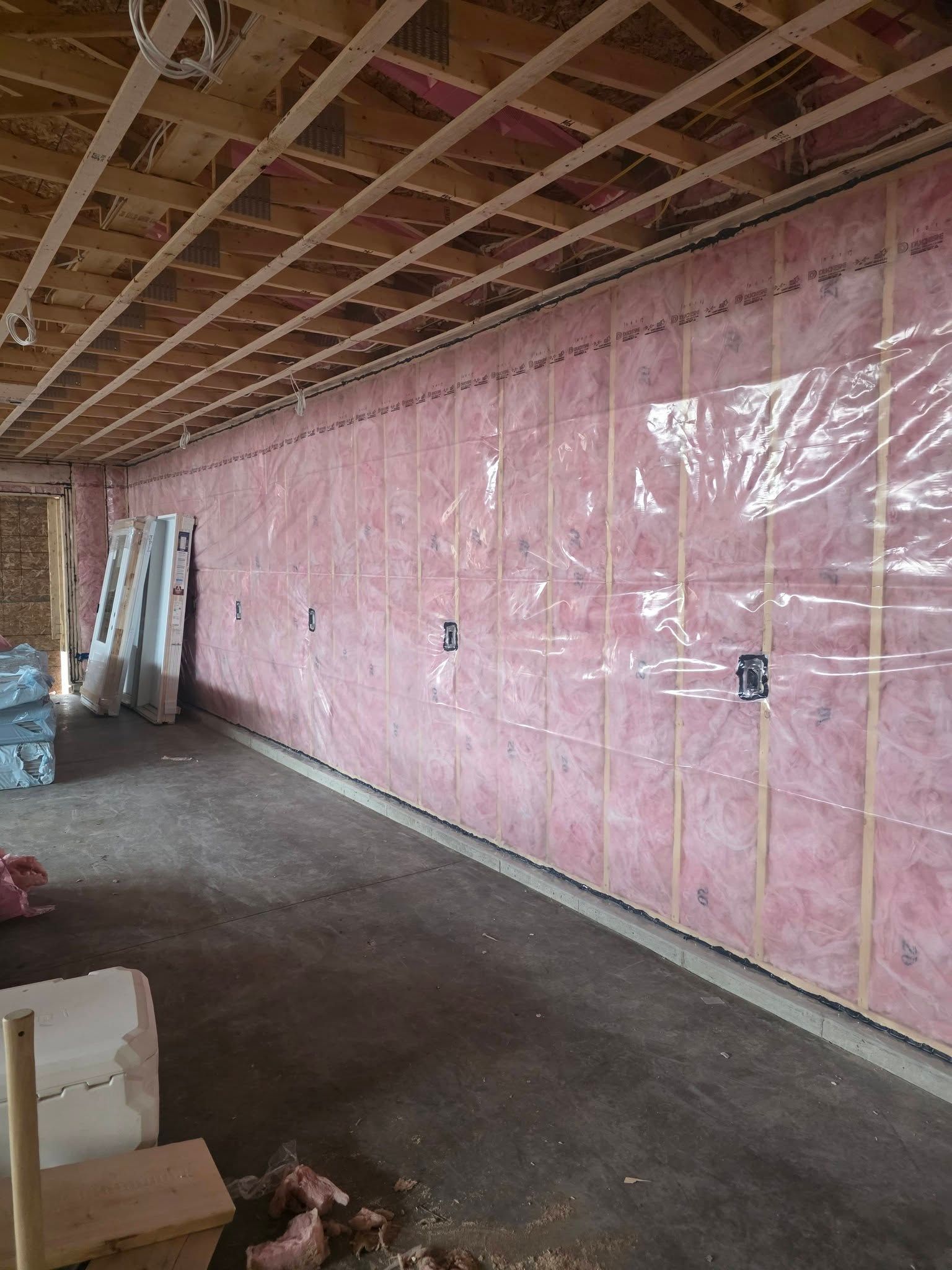
The most widely used insulation for residential construction in our region is an unfaced fibre glass batt. It is a flexible product, composed of small diameter glass fibres, with a resin binder. The majority of its thermal resistance is obtained from the trapped air pockets created by the matrix of spun fibres within the batt, not by the fibres.
Today’s generation of fibreglass batts do not settle, are non-combustible, and are resistant to moisture, mould, mildew and rodents. Batt insulation requires the use of a polyethylene air/vapour barrier on the inside for control of air and moisture movement.
When properly installed within the building envelope’s wood framing (i.e. 2" × 6"), fibre glass batts, combined with a well sealed air/vapour barrier, will meet the standards developed by EnerGuide for a “typical new home”, up to an “energy efficient new home”. Typically, additional levels of thermal insulation must be added to obtain the “highly energy-efficient new house” level or the “R-2000 standard”. See the EnerGuide rating scale.
More on batts
- This product is pre-cut and packaged based on the stud width and spacing common to wood frame construction, for a friction fit insulation.
- Individual packs are first labelled based on the R-value, with R-12 and R-20 versions representing 2" × 4" and 2" × 6" framing respectively.
- Secondly, they are also packaged in 15", 19" and 23" widths to suit standard stud, joist and truss spacing. Batts are also produced in a range of other R-values up to the R-40 batt, for example the R-28 version suitable to 2" × 8" framing.
- The final difference that will be noted is colour, which varies solely based on the different manufacturers.
- CCMC approval listing is available from all major producers and is often indicated in the package labelling.