City Fibreglas
Insulation
Free estimate506.847.0055Call
Menu

Heat, air and moisture

Today’s homes have become a science. The key is controlling heat, air and moisture movements.

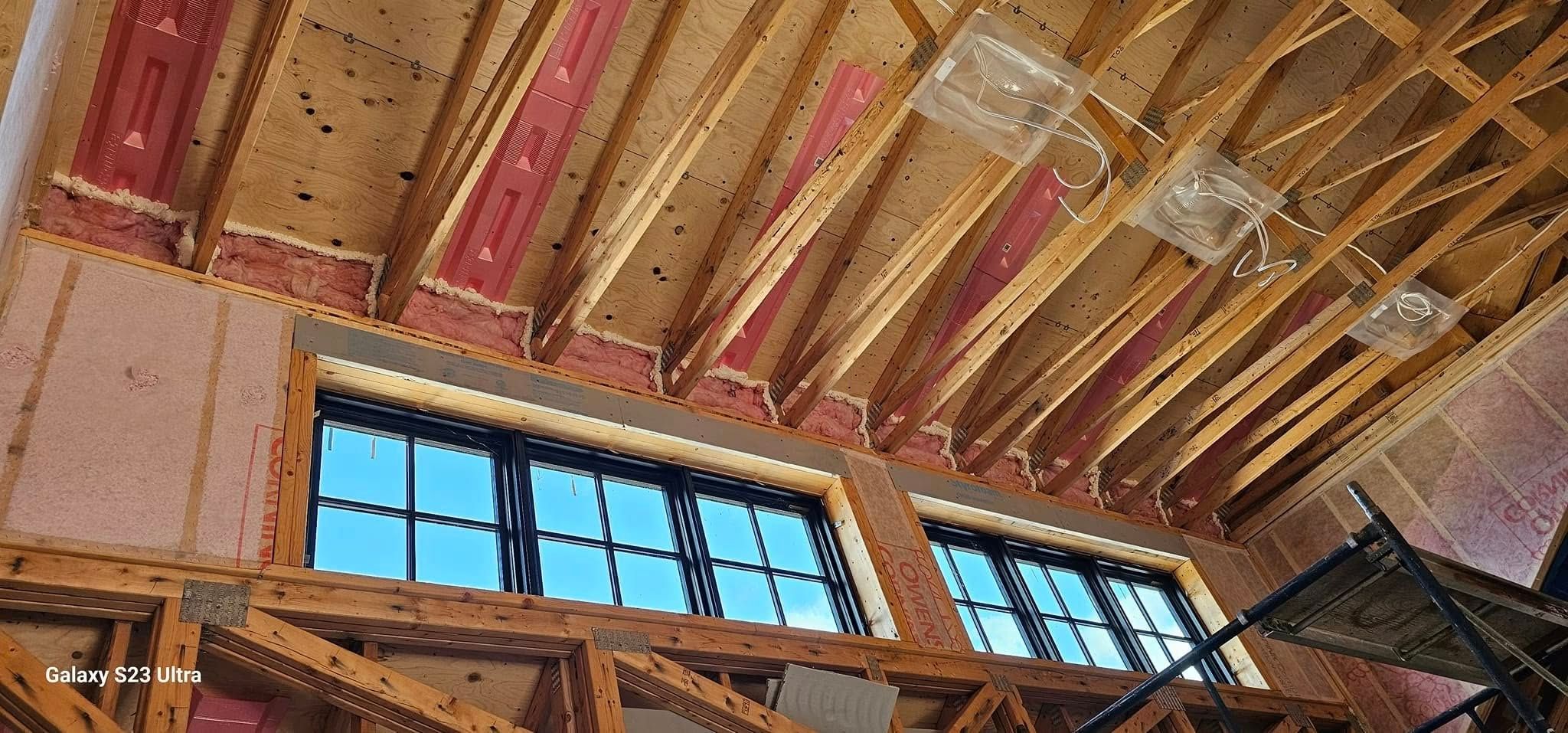
Pink fibreglass batts in a ceiling above a row of windows

Slowing the flow of heat

Thermal insulation is a material that is used to reduce the flow of heat. Within this region, we tend to think it functions to reduce heat loss during the winter months. Escalating energy costs and the monthly home heating bill provide the incentive for this belief.

Yet, thermal insulation also serves a similar function during the summer months, in reducing the flow of outside heat towards the interior. This becomes an important function when the usage costs of air conditioning systems are a factor.

You can’t change the nature of how heat flows, or stop the wind from blowing. We build instead to control heat loss with a thermal barrier that reduces the free flow of heat. This isn’t new to wood frame residential construction, as products like fibreglass insulations have been used since the late 1930s. What has changed over the past few decades is the increased recommended level of insulation for thermal barriers, options on the choice of insulation systems, and attention to detail.

Heat flow can be slowed by a thermal barrier. Yet, it is still looking for a path of least resistance to flow freely. That will be towards any insulation gap it can find, large or small: down to a colder basement, up around light fixtures, and so on.
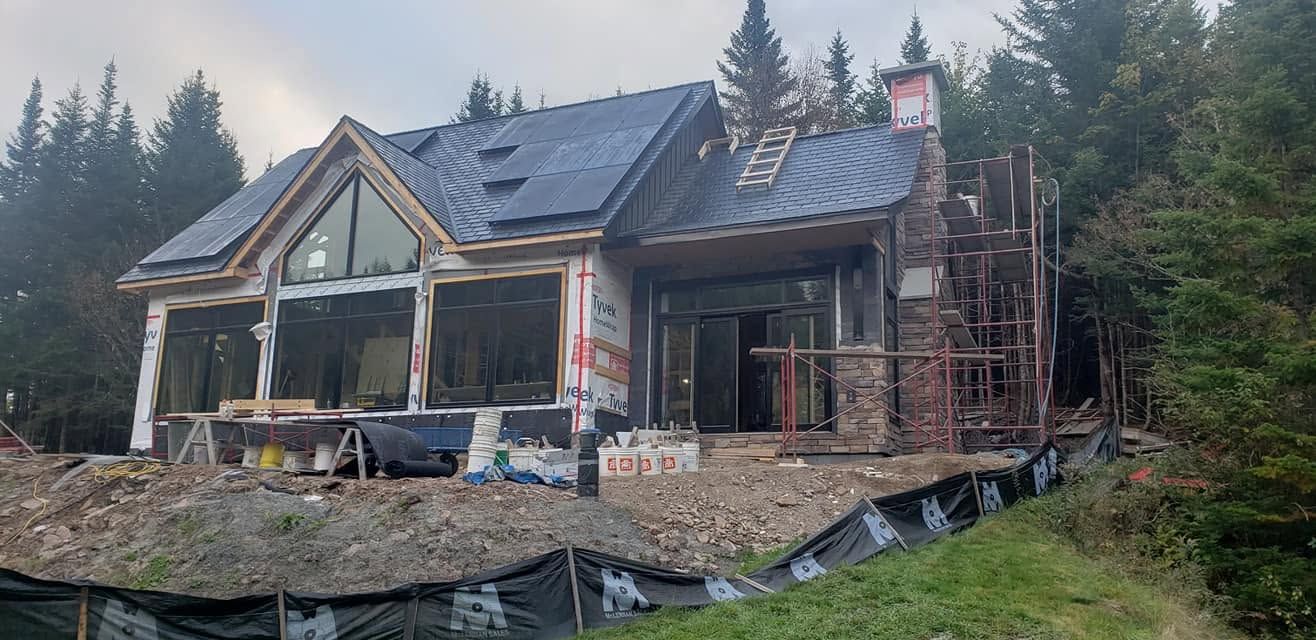
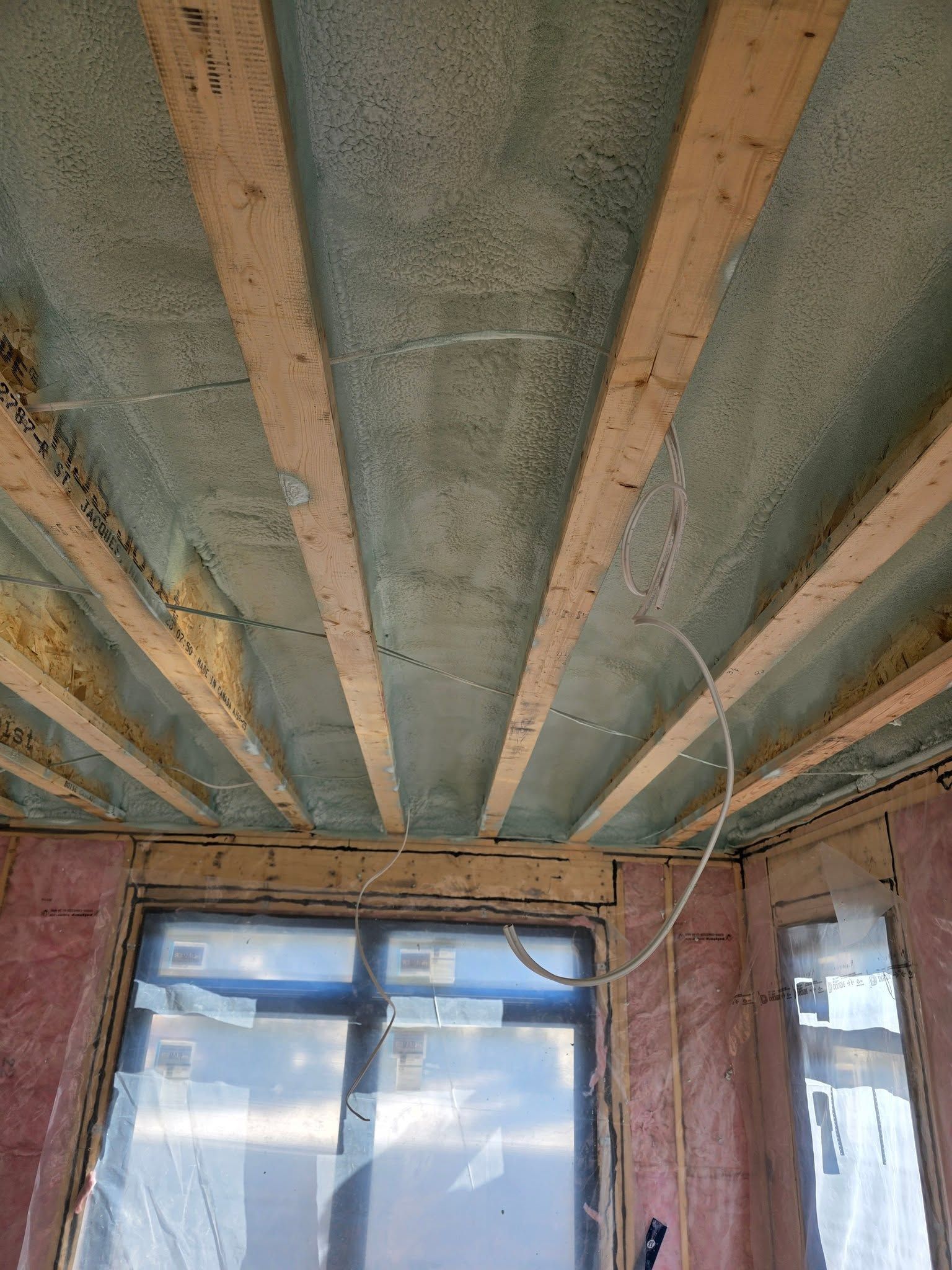
A new home under construction on a City Fibreglas job

Build tight and ventilate right

How important is controlling “airtightness” in residential dwellings?

Air leaks between your home’s interior and the outdoors can be a constant drain of energy and money. Studies show that air leakage in an older home can be equal to leaving a window wide open.

The emphasis and buzzword in residential construction today is “build tight and ventilate right”. Today’s homes have become a science, studied for indoor air quality, noise pollution, and thermal performance. The key is controlling heat, air and moisture movements, to provide energy efficiency, plus the comfortable, healthy environment that homeowners request.

A tight home needs fresh air supplied on purpose: see heat recovery ventilation. For the air barrier itself, see open-cell and closed-cell spray foam.

The EnerGuide rating

The EnerGuide rating for homes is an energy efficiency label developed by Natural Resources Canada that provides homeowners with an indication of the house’s energy performance.

Visit the EnerGuide rating at Natural Resources Canada

Typical EnerGuide ratings by type of residence
RatingType of residence
0–50Old house not upgraded
51–65Upgraded old house
66–74Energy efficient old house or typical new house
75–79Energy efficient new house
80–90Highly energy-efficient new house
91–100House requiring little or no purchased energy
All insulation methods

Book a free estimate

Send us any product questions you may have. We will be happy to service your home or business’s needs.

The Pink Panther, from the City Fibreglas trucks